
Discover the enduring relevance of landline phones in today's digital age
When it Comes to Communication Technology, Old School is the Best School
By: Mona Alsoraimi-Espiritu
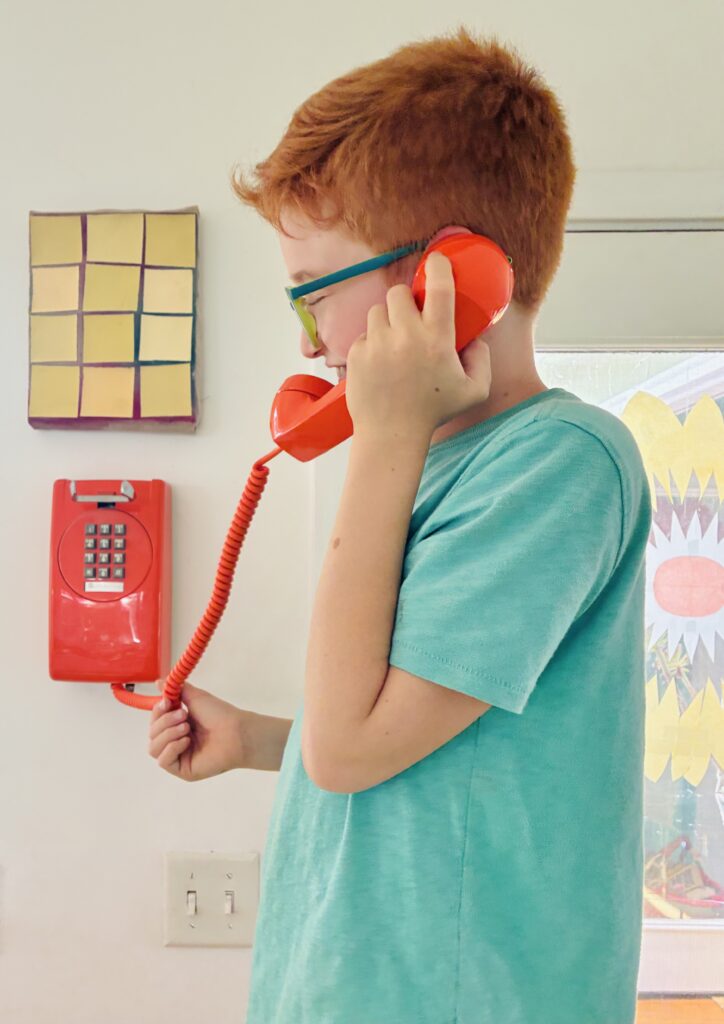
Mona Alsoraimi-Espiritu is a tenured English Professor at San Diego City College, writer and mother of two Waldorf children in kindergarten and second grade. As an educator, she embraces the Waldorf approach of delaying personal device use, having seen firsthand what social psychologist Jonathan Haidt warns about: that “childhood is being rewired by devices, and we are only beginning to see the costs.” Instead, she advocates for simpler, healthier ways for children to connect whenever possible.
The start of the summer settled into our bodies like a southern summer rainstorm. Sticky, sudden yet full of possibility and renewal. One day we were in our school/work routines and the next we were aimlessly wandering around, picking up the pieces of our half-finished academic year selves and trying to find a new rhythm. One that was slower, sweeter and honored the learning we had done all year. As a community college professor I have the privilege of being home with my children for most of their summer break, and during this time we rotate between fully savoring this special time with our whole selves and yearning for our peers and the structure of the academic year. The ebb and flow of these feelings is real and this year we took special notice of it.
This year was different from others because my children, particularly my second grader, have begun to place more value on school friendships than ever. And it made sense. They spend most of the day, five days of the week with these friends and then suddenly don’t see them at all for a few months. For my daughter, Hanan, the shift was palpable. I began texting with her friends’ parents to arrange times for them to video chat and plan play dates. A few times a week the girls wanted to talk and managing their social needs began to feel like a full-time job. I was exhausted. But what was the alternative?
Like most Waldorf parents, we choose to delay personal devices/phones for as long as possible. But recently I observed my nephew, a preteen, get his first mobile phone and immediately figure out how to connect with friends. And as a child of divorce, it seemed especially helpful for him to communicate independently with one parent when he is with the other. For the first time ever, I understood why parents get their children phones – their need to communicate with friends and family independently cannot and should not be ignored.
Additional opinion pieces on this topic:
Life With a Landline
https://open.substack.com/pub/katherinemartinko/p/life-with-a-landline?r=1mpyig&utm_medium=ios
The Dumbest Phone Is Parenting Genius
https://www.theatlantic.com/family/archive/2025/06/landline-kids-smartphone-alternative/683203/
For Households With Kids, It’s Time to Bring Back the Landline
https://www.parentmap.com/article/landline-house-phone-kids-benefits
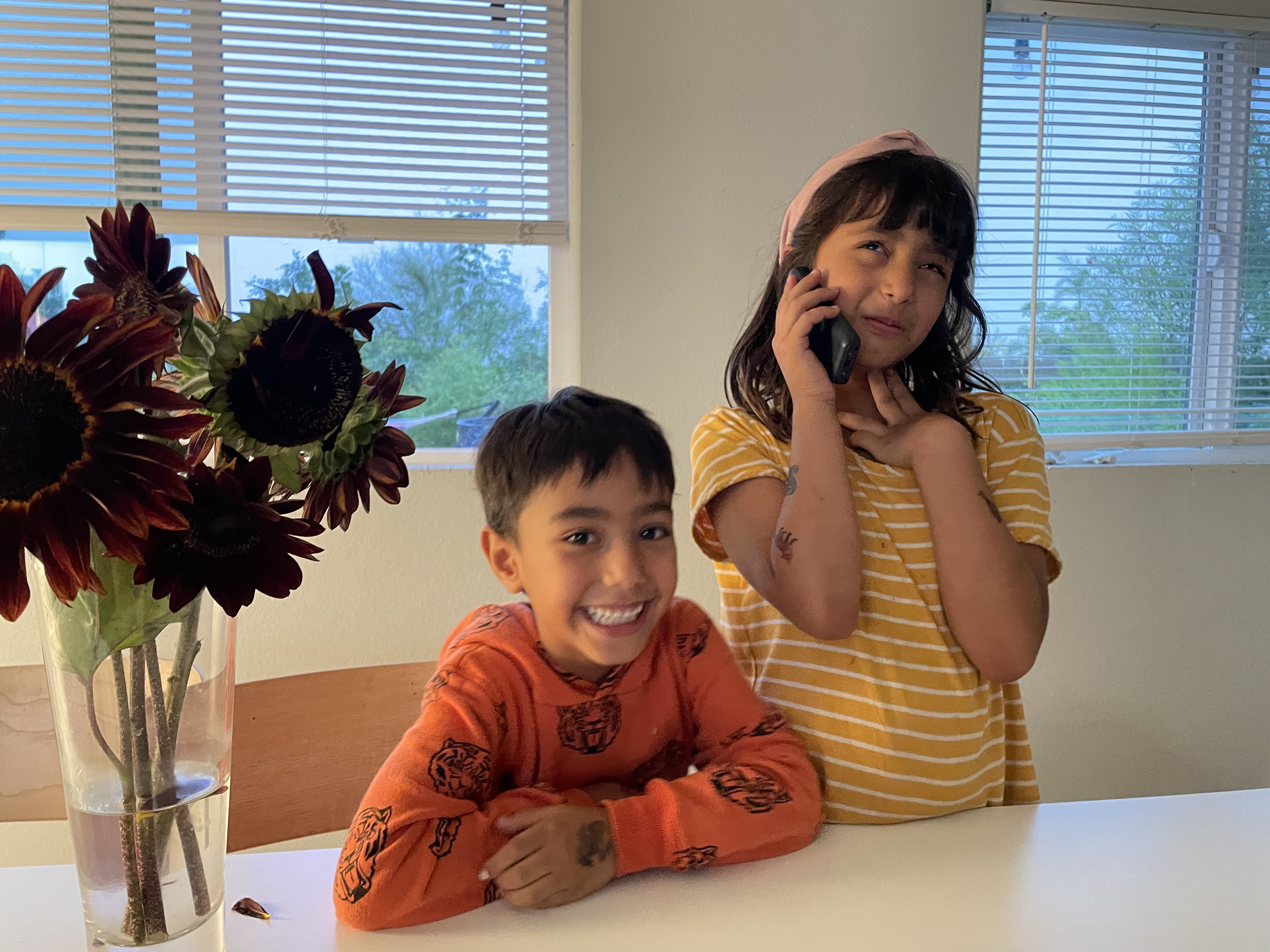
So my family spent some time brainstorming. How do we meet their developmentally appropriate need to practice social independence while protecting their little brains from the overstimulation of mobile devices? And then I remembered what we did as kids – we called up our friends on the landline! While our “everyone played outside all day” neighborhoods back then supported social needs during the summer – we still longed for our school friends that did not live on our block or within easy walking distance. Home phones gave us the chance to connect with those friends without parent intervention and plan “play dates,” freeing our parents from the extra task of managing our social lives and only requiring their approval for plans.
Within a few days we bought a cordless phone and purchased an internet-based home phone service. I won’t pretend that it was an instant success and without hiccups. For one, our kids didn’t really know how to dial a phone. Years of video chatting using our mobile devices meant that they never learned how to dial a call and never memorized phone numbers. Second, they instantly expressed their preference for video chat versus voice calls. But within a week these concerns had dissipated. We created a list of “approved” phone numbers that included our parents, some siblings and a couple of friends. And then we let those people know that our kids have access to a home phone and will likely call them. We also created some necessary rules including a three phone call limit per day, time boundaries and phone safety guidelines.
And then we sat back and watched the magic happen. And it really was magic. Within a few days Hanan’s best friend in class had a home phone and they were connecting on a regular basis – independently. These conversations were awkward and very short at first, but as they practiced their conversational skills, they became more meaningful.
And then something unexpected happened. They started calling family members that they rarely connected with. One day I observed the kids having a 20-minute phone conversation with their aunt who was endlessly amused by their new social independence. Until now our kids have not had the chance to flex these communications skills. Typically their conversations with their “Minami Ayi” (Aunt Minami) involved her asking them a couple of questions via video chat and them getting distracted by the video and trying to turn on filters. Suddenly they were sustaining real conversations and forming follow up questions like: “what are you eating for dinner?” and “what are your plans for the weekend?” And recently my dad, who lives in Detroit, shared that he had a long chat with the kids the day before and learned all kinds of things about them. They called him on their own and had a long thoughtful discussion with him. For the first time ever, they’re independently strengthening relationships with family across the country, taking the pressure off us to keep those connections going. This unexpected gift is something we treasure more than anything.
In the coming weeks we shared our home phone discovery with parents in their classes and encouraged everyone we know to explore the option. We spent the summer trying to get families on board because we knew that the best outcomes for our school and class communities will come from a critical mass of students getting home phones. Aside from giving our students some social independence, it also helps our entire community delay personal mobile devices for our kids. Because having a home phone can instantly meet the need for connection and even make mobile phones appear overwhelming and less attractive. The simplicity of the technology cannot be overstated. When I look out the window and see my daughter laying in the hammock singing songs on the phone with her bff, I know that we made the right choice.



0 Comments